ChatGPT Shopping for CPG Brands: How to Get Your Products Recommended
ChatGPT shopping dropped the buy button and kept the recommendations. Here's how CPG brands get their products picked before the holiday rush.

Samuel Stapp
//
Senior Digital Marketing Specialist

A shopper asks ChatGPT for a high-protein snack her kids will eat—ChatGPT answers by matching her request to product data, retailer listings, and public reviews. For brands sold through Kroger, Sprouts and Walmart, the pick goes to the SKU with the same name, size, price and claims on every retailer page. Reviews need to back those claims up.
In March 2026, OpenAI stopped offering Instant Checkout, the buy button inside ChatGPT, and shifted the work to recommending and comparing products (TechInformed). For a $20M snack brand sold at Kroger, losing the buy button changed almost nothing. Nobody was going to buy one bag of chips inside a chat window.
The recommendation was always the prize, and OpenAI kept the recommendation. ChatGPT still decides which snack bar makes the shortlist, and Kroger still rings up the sale.
For the brand-level view, start with our post How to Improve Your Brand's Visibility in AI Search Engines. In this post, we’ll cover the product level.
How does ChatGPT pick which products to recommend?
ChatGPT picks products by weighing three inputs against the shopper's request. OpenAI's shopping help page lists them. The shopper's budget, preferences, and saved memory shift the weighting from one request to the next.
Structured product data: price, descriptions, and other details from first-party and third-party providers, plus other third-party content
Model knowledge: what the model already knows about a product before it runs a fresh search
OpenAI policies: OpenAI’s safety standards and product policies, which apply to every result
Product results are not ads. OpenAI says partnerships don't influence them, and ads in ChatGPT run in a separate unit. Nobody buys the organic pick.
Constraints change the order. Ask for a snack under $5 and price leads. Leave price out and the model leans on reviews, claims and fit.
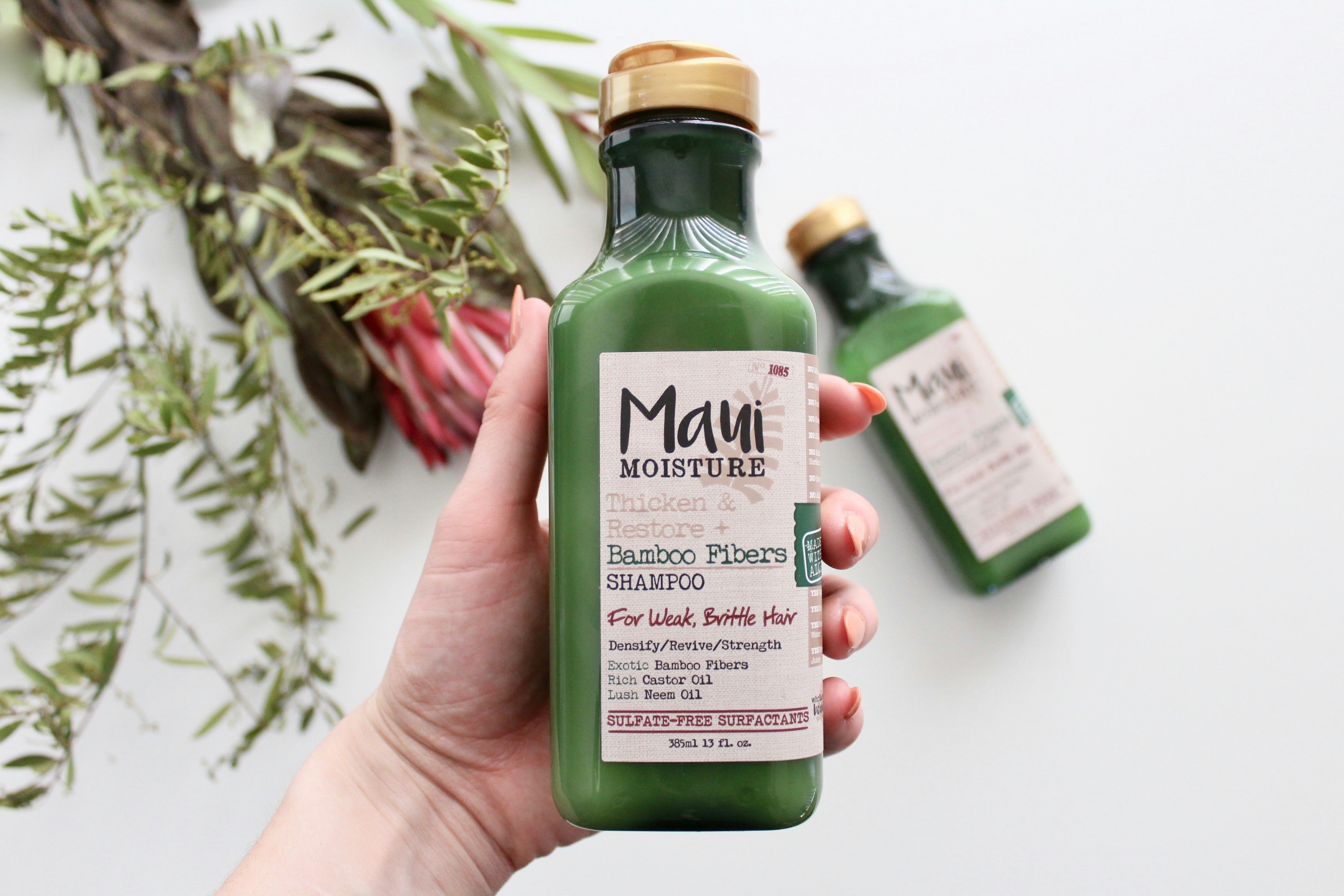
One line on OpenAI's page matters more than the rest for CPG brands. ChatGPT writes simplified product titles and descriptions because merchants describe the same product in different ways. Say Kroger lists your bar as "Peanut Butter Protein Bar 12ct." Walmart lists the same SKU as "PB Crunch Bars, 1.8 oz, 12 Pack." The model now has to decide whether those are one product or two. When the guess goes wrong, your reviews split across two records and your bar looks weaker than the competitor with one clean name.
How do retailer listings and reviews feed ChatGPT shopping recommendations?
Retailer listings supply most of the product data ChatGPT sees for a brand sold through grocery. Public reviews supply the summary shoppers read. When a shopper taps a product, ChatGPT lists the merchants selling the item. OpenAI ranks those merchants on availability, price, quality, and whether the merchant is the maker or primary seller.
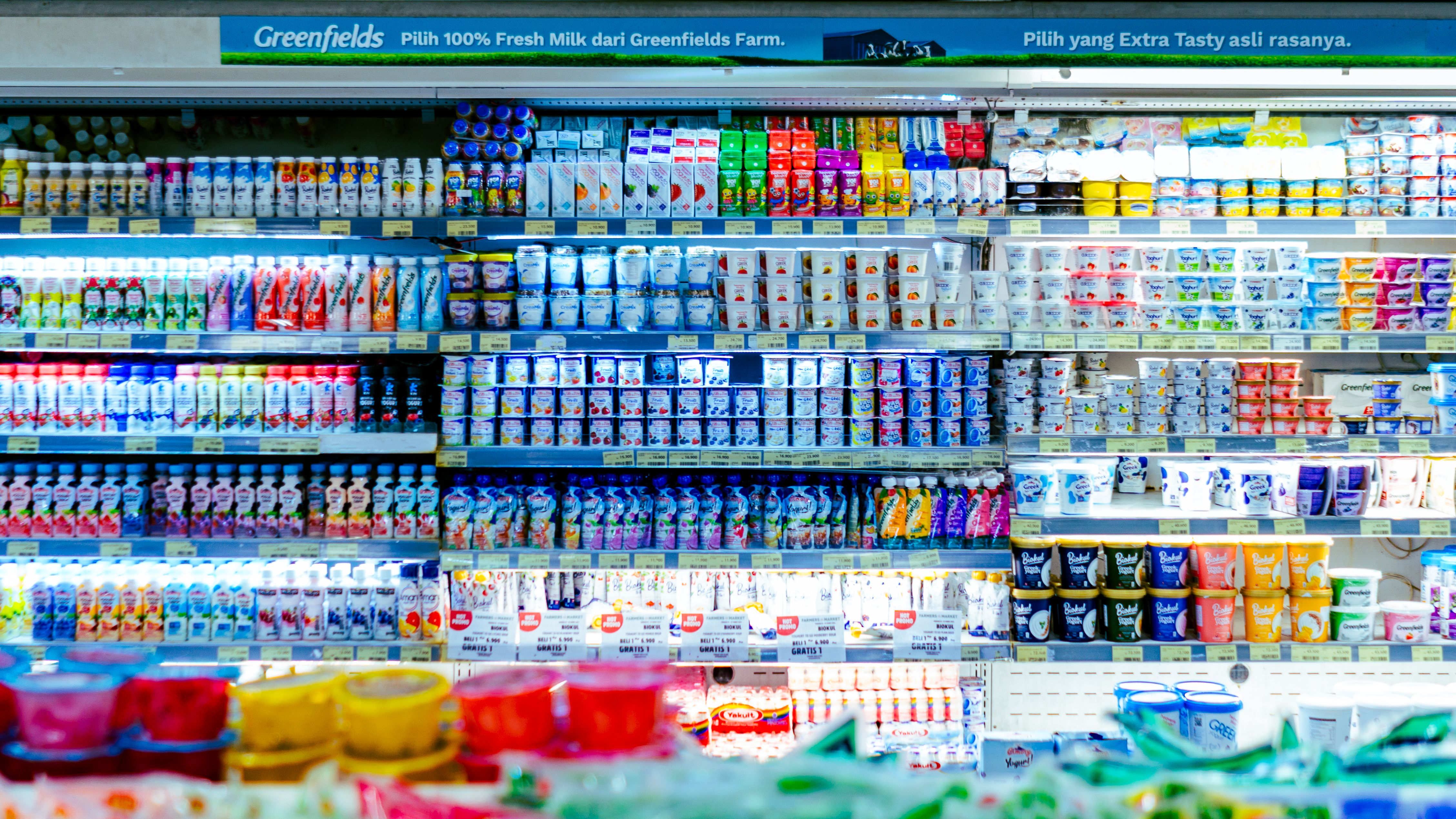
If 80% of your revenue runs through Kroger, Sprouts and Walmart, those retail pages are your product as far as ChatGPT knows. Your brand site is one more source, and often the thinnest one.
Retailers are building direct paths into ChatGPT too. OpenAI says Walmart's app inside ChatGPT moves shoppers into a Walmart environment with account linking, loyalty, and Walmart payments (TechInformed). Instacart launched a ChatGPT app in December 2025. The app builds carts from local retail partners (Supermarket News). Each path pulls from the retailer's version of your listing.
The maker factor gives you one lever of your own. OpenAI counts "maker or primary seller" in merchant ranking. Put a product page on your site with the exact name, size, UPC, and claims your retailers use. ChatGPT gets an authoritative record to check against. A brand site with a store locator and no product pages lets whichever retailer wrote the longest listing define your product.
Reviews work the same way. ChatGPT builds review summaries from public websites, and OpenAI does not verify them. The labels on product cards come from the same pool. OpenAI notes a "Budget-friendly" label might mean reviewers often mention value, not the lowest price. The words shoppers use in reviews become the words ChatGPT puts on your product.
That RANDOM Agency recommends three moves this quarter:
Audit your names: Pull the titles, sizes, and counts for your top 10 SKUs from every retailer listing into one sheet, then mark every mismatch.
Fix the listings: Send corrected content through each retailer’s item setup or your content syndication partner, and update your own product pages to match.
Aim your reviews: Point sampling and post-purchase review requests at the retailer pages that already carry review volume, since many grocery listings show few reviews or none.
What product data do food, beverage and wellness brands need for ChatGPT?
Food and wellness brands need matching product data on every listing. The list covers name, size and count, price, stock status, UPC, ingredients, allergens, certifications, and use cases. Merchant feeds sent to OpenAI carry titles, descriptions, images, price, and availability. Shoppers ask ChatGPT about diets, allergies, and occasions, so state every claim in text. A claim printed on the pack photo alone is easy for a model to miss.
The product data ChatGPT needs from food and wellness brands, and why:
Product name
Why it matters: matches one SKU across retailers
Example: the same brand, flavor, and format on every listing
Size and count
Why it matters: separates a 12-pack from a single
Example: 1.8 oz bar, 12 ct box
UPC or GTIN
Why it matters: ties every listing to one product
Example: the same 12-digit UPC on every listing and feed
Price
Why it matters: answers budget requests
Example: current shelf price, updated when a promo ends
Availability
Why it matters: feeds merchant ranking
Example: in stock at Kroger, Sprouts, and Walmart.com
Ingredients and allergens
Why it matters: answers “nut-free” and “dairy-free” requests
Example: the full list in text, with top allergens named
Certifications
Why it matters: answers diet-filter requests
Example: Certified Gluten-Free, Non-GMO Project Verified, USDA Organic
Use cases
Why it matters: matches occasion requests
Example: post-workout snack, school lunch, low-sugar swap
Images
Why it matters: fill the product carousel
Example: front of pack, nutrition panel, product in use
OpenAI's feed spec allows 150 characters for a title and 5,000 for a description (Practical Ecommerce). Most grocery listings use a fraction of the description space.
Three more checks for your own site. If your direct-to-consumer store runs on Shopify, Shopify Catalog already sends product data to ChatGPT with no extra work. If your store runs elsewhere, apply for a direct product feed through OpenAI's merchant page. Either way, confirm your robots.txt allows OAI-SearchBot, the crawler OpenAI uses for search.
Wellness brands carry one extra risk. Keep claims on every listing identical to your approved label language. A bold health claim on one retailer page and a careful one on another gives the model two stories about one product.
How do you test your product visibility in ChatGPT this week?
Run five prompts in a fresh ChatGPT chat with memory off, for your top three SKUs, and score each answer on five checks. The test takes about an hour. Repeat the test monthly and after any listing fix.
OpenAI says memory and custom instructions shape results, so use a clean account. Have two people on your team run the test from different cities to catch location effects.
“What’s a good [category] for [use case]? I shop at Kroger.”
Checks whether you show up for a real need at your biggest retailer
“Best [diet claim] [category] under $[price] at Sprouts”
Checks whether your claims and price are reaching the model
“[Your product] or [competitor product], which should I buy?”
Checks how ChatGPT describes you head-to-head
“Where do I buy [exact product name] near [your city]?”
Checks which merchants show up, in what order, and at what price
“What do people complain about with [exact product name]?”
Checks what the review summary says about you
Score each answer one point per check, for a maximum of 25 per SKU:
Your product appears.
The name and size are correct.
The price is current.
The listed retailers match where you sell.
Claims and the review summary are accurate.
That RANDOM Agency recommends fixing listings before any content or ad spend for a SKU scoring under 15. A low score on prompts 2 and 4 points to listing data. A low score on prompt 5 points to reviews.
Frequently Asked Questions about ChatGPT Shopping
Did OpenAI shut down ChatGPT shopping?
No. OpenAI moved away from standalone Instant Checkout in March 2026 and kept product search and comparison inside ChatGPT. Shoppers now finish purchases on the merchant's or retailer's own checkout. Retailers such as Walmart run their own apps inside ChatGPT.
Do brands pay to get recommended in ChatGPT shopping?
No. OpenAI says ChatGPT selects product results independently. The results are not ads, and partnerships don't influence them. Ads in ChatGPT appear separately from product results.
Do I need a product feed if I sell mostly through retailers?
Not to appear. ChatGPT pulls product data from third-party providers, retailer pages, and public content. A direct feed through OpenAI's merchant program gives you more control over accuracy. If your direct-to-consumer store runs on Shopify, Shopify Catalog already sends your data to ChatGPT.
Where does ChatGPT get product reviews?
ChatGPT summarizes reviews from public websites, and OpenAI does not verify them. The summaries highlight common likes and dislikes. For grocery brands, the retailer pages carrying the most reviews shape the summary.
How do I track sales from ChatGPT?
ChatGPT adds utm_source=chatgpt.com to outbound links, so visits to your own site show up as referral traffic. Purchases at Kroger or Walmart won't appear in your analytics. Watch retailer search rank and sales velocity for the SKUs you fix.
About the Author
Samuel Stapp is a Senior Digital Marketing Specialist at That RANDOM Agency. He works across social media, paid, and AI search strategy for B2B and CPG clients. That RANDOM Agency is a women-owned boutique marketing agency in metro Detroit.
More blogs.
Explore our collection of insights — from quick, actionable tips to in-depth explorations of design, development, and the evolving world of digital work.