How to Plan a Branded Giveaway
Plan a branded giveaway with advice on prize design, promotion, and measurement, plus an overview of Sticker Mule Give and its fulfillment features.

Lauren Patterson
//
CEO & Co-founder
Somewhere in a desk drawer, there’s a branded T-shirt that has never seen daylight.
Before you order another batch, think about what would make someone pull yours out and wear it. The design matters, of course, but so does who receives it and how it connects to their relationship with your brand.
At Random, we’ve ordered stickers, shirts, signs, and other products from Sticker Mule for years. When the company reached out about Give, its giveaway platform, we took a look at how it handles the work of running a promotion and getting prizes to recipients.
Here’s how we’d plan a campaign around it.
Decide who the giveaway is for
Be specific. A giveaway for your most enthusiastic customers will need a different approach from one designed to introduce your business to people who have never heard of it.
For a neighborhood coffee shop, that audience might be the regulars whose orders the baristas know by heart. A software company could design something around a work frustration its users share. Food brands might start with the fans who already post about their products without being asked.
Write down who you’re trying to reach and what you hope they’ll do next. That could mean attending an event or exploring a new product; the goal will help you decide what to give away and where to promote it.
Set up the tracking before launch. It’s much easier to explain what happened when you planned to measure it.
The giveaway should fit into your broader social media strategy.
Choose a design people will use
Think about the shirt someone borrows and conveniently forgets to return. What would make your brand’s merch that appealing?
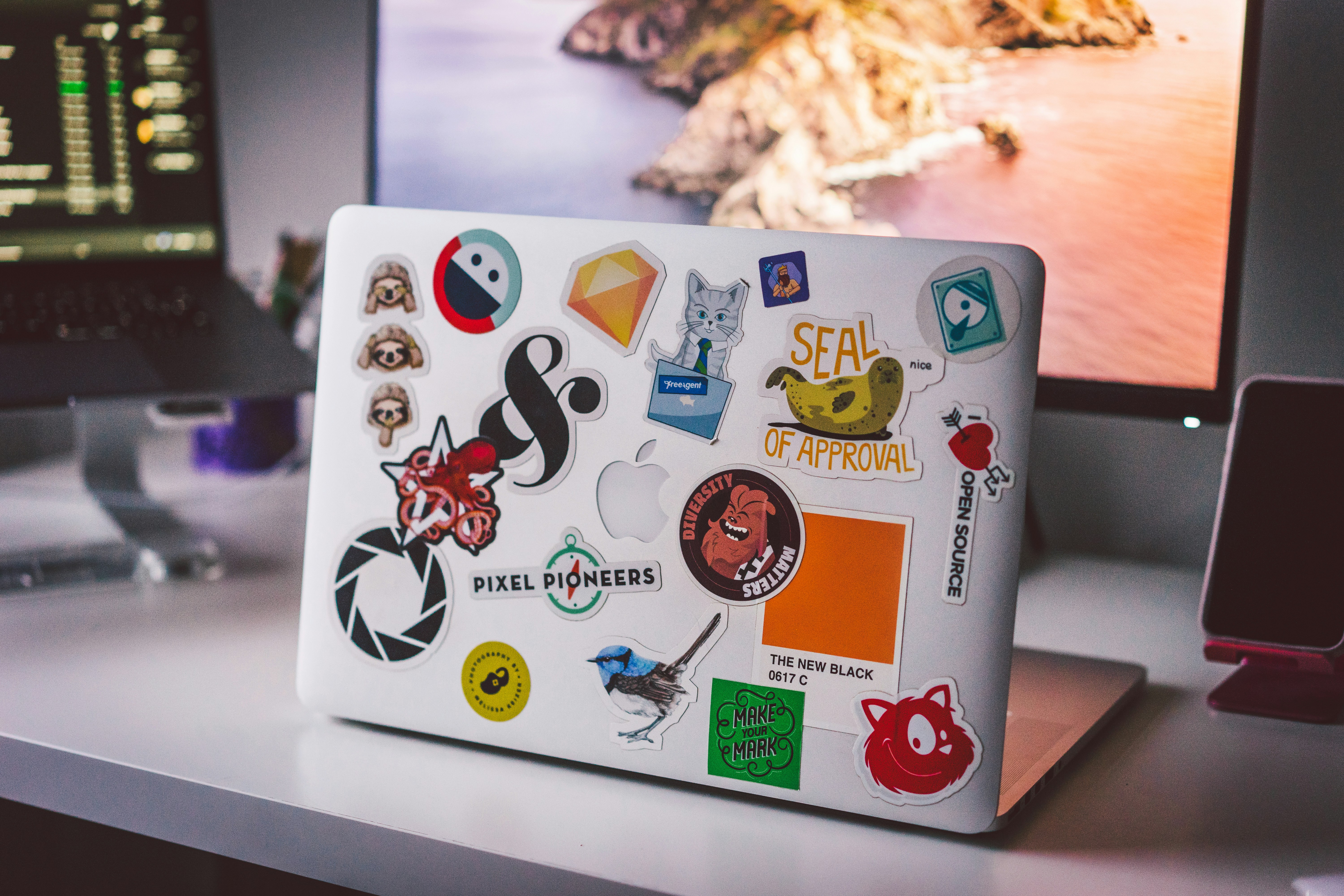
Start with what your audience already responds to. If a recurring joke in your content keeps getting shared, it might translate into a sticker. An anniversary design could include a reference that longtime customers will recognize. Leave room for the logo, but give the design some attention of its own.
B2B brands have material here, too. Anyone who has survived six rounds of “one small edit” understands the appeal of a good industry joke. Ask your team what customers keep bringing up in conversations; that can be a more useful starting point than another brainstorming session about your brand values.
Keep the prize connected to your business. When people enter for something unrelated to what you sell, their participation tells you very little about their interest in becoming a customer.
Connect it to your content
Look at what’s already on the calendar. A giveaway can help introduce an event or give customers a way to join an anniversary celebration. For example:
An anniversary design could reference a product or phrase customers remember from the early days.
A recurring content series could inspire a shirt or sticker that followers recognize.
Event merch could introduce a theme you’ll return to in the weeks leading up to the date.
How Sticker Mule Give handles the logistics
Give brings the giveaway setup and prize fulfillment into one workflow. According to Sticker Mule’s setup guide, hosts choose an eligible product they’ve previously ordered or select a marketplace item, set the giveaway details, pay upfront, and share a link. Sticker Mule handles prize shipping. Available products include shirts, hoodies, die-cut stickers, sticker packs, rigid yard signs, and white-label hot sauce.
The standard Give formats are: a Raffle, with winners selected randomly after the giveaway ends, and Everyone Wins, where the first eligible entrants receive prizes until the available quantity is claimed. Raffles can use Give’s entry form or run on X; Everyone Wins is not currently supported on X.
For a small marketing team, shipping can become a project of its own. Someone has to coordinate winner messages and make sure the prizes get where they’re going, often while managing the rest of the campaign. Give’s appeal is having that administration handled through the platform.
Disclosure: We’re longtime Sticker Mule customers. Sticker Mule is providing store credit in exchange for featuring Give in this article.
Plan the follow-up posts
A photo of the prize and clear entry instructions belong in the launch post. After that, give people more to read than another reminder to enter. You could show how the design developed or explain the customer conversation that inspired it, especially if people helped shape the idea.
Once prizes arrive, invite recipients to share a photo if they’d like to. No homework required. Ask before reposting their content, and pay attention to what they say about the merch; their response may help you decide what to make next.
Those follow-up posts can help you build community around your brand.
For Give, check the current rules before launch. Its published terms limit entry to eligible adults in the United States and D.C., and require organizers to follow the rules of any social platform used to promote the giveaway.
Decide what to include in the report
An entry count tells you how many people participated. To understand what the giveaway contributed to your marketing, you’ll need to look at what happened during and after the campaign.
For a broader reporting framework, see our guide to community management metrics.
Choose measures that relate to the goal you set:
Audience fit: What can you learn about whether the giveaway reached the intended community, using information you can appropriately access?
Continued engagement: Did participants return for later content or attend the event you were promoting?
Voluntary advocacy: Did recipients choose to post about the merch or recommend the brand? Count individual people as well as posts.
Business actions: Where tracking supports it, record site visits, inquiries, or purchases associated with the campaign.
Include staff time and design in the budget alongside prizes and promotion. That lets you calculate a cost per relevant action. Be precise about what the tracking shows: a purchase after the giveaway may be associated with the campaign, but timing alone doesn’t establish that the giveaway caused it.
For a first campaign, keep the scope manageable. Choose a prize that fits the audience and a promotion you have time to support, then use the response to decide whether to run another. You may also learn that the shirt needs a different design. Better to find that out before ordering 500.
You can review the setup options at Sticker Mule Give. For help planning the campaign and creative, contact Random.
Sponsored: Sticker Mule has offered That Random Agency $500 in store credit in exchange for this article.
More blogs.
Explore our collection of insights — from quick, actionable tips to in-depth explorations of design, development, and the evolving world of digital work.